

Losing a single tooth might seem like a minor problem compared to losing multiple teeth, but that gap in your smile creates consequences that extend far beyond appearance. Your remaining teeth begin shifting into the empty space, your jawbone starts deteriorating without the tooth root to stimulate it, and your bite becomes misaligned over time. While several options exist for replacing a missing tooth, one solution stands out for its ability to address all these problems while providing a result that looks, feels, and functions like your natural tooth.
At Winchester Dental Group, we understand the importance of restoring not just your smile but your long-term oral health. Our dental implant solutions offer a permanent, natural-looking replacement for missing teeth that protects your jawbone and surrounding teeth from further damage.
How Dental Implants Work
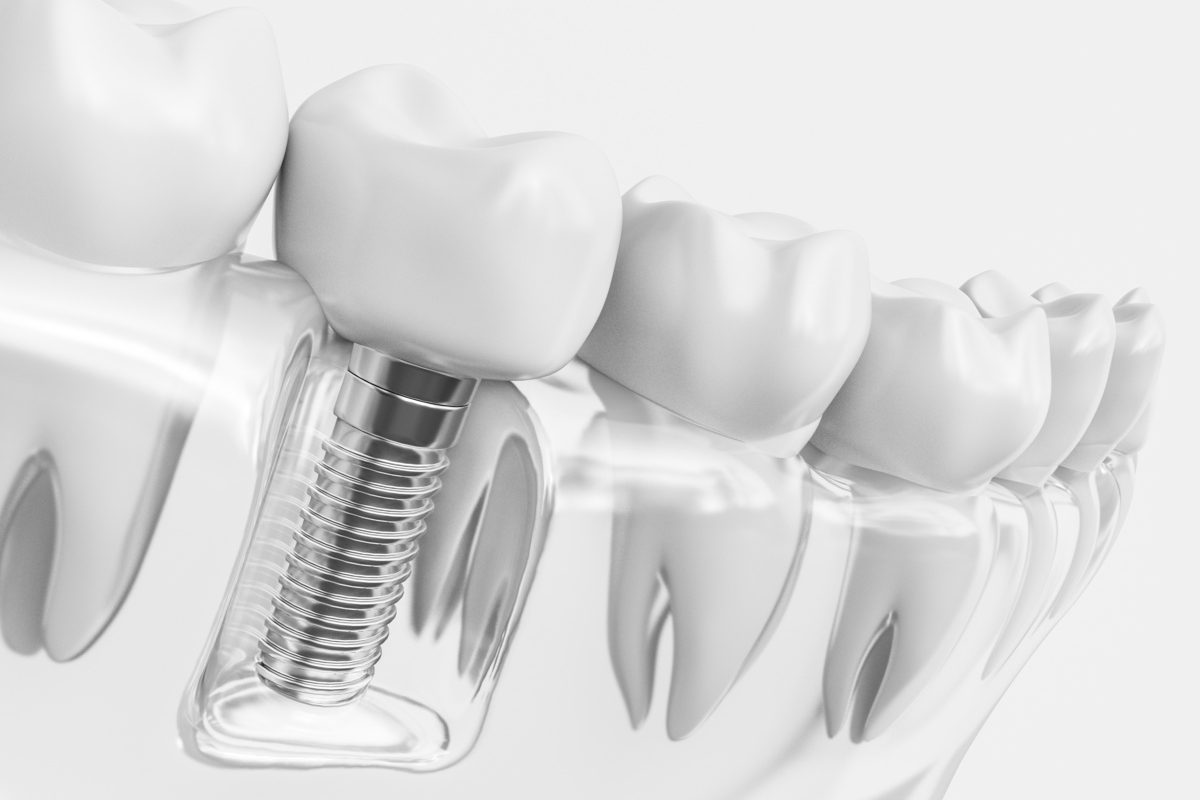
A dental implant consists of three parts working together to replace your missing tooth. The implant itself is a small titanium post surgically placed into your jawbone, serving as an artificial tooth root. After the implant integrates with your bone over several months, your dentist attaches an abutment, a connecting piece that holds the final restoration. Finally, a custom-made crown caps the implant, providing a tooth that matches your natural teeth in color, shape, and function.
This three-part system mimics the structure of a natural tooth more closely than any other replacement option. The titanium post stimulates your jawbone just like a natural root, preventing the bone loss that typically follows tooth loss.
Preserving Your Jawbone
One of the most significant advantages of dental implants is their ability to preserve your jawbone. When you lose a tooth, you lose the root that stimulates the surrounding bone through daily activities like chewing. Without this stimulation, your body begins reabsorbing the bone tissue in that area. Research shows you can lose up to 25% of bone width in just the first three months after tooth loss.
This bone loss creates a cascade of problems. Your facial structure changes as the bone shrinks, making you look older. Adjacent teeth lose support and may become loose or shift position. If you eventually decide to get an implant later, you might need bone grafting to rebuild the lost structure, adding time and expense to the process.
Dental implants stop this bone loss by providing the stimulation your jawbone needs to maintain its density and volume. The titanium post integrates with your bone through a process called osseointegration, creating a stable foundation that preserves your facial structure and protects surrounding teeth.
Protecting Adjacent Teeth
Traditional dental bridges require grinding down the healthy teeth on either side of the gap to serve as anchor points for the restoration. Your dentist must remove significant tooth structure from these supporting teeth, permanently weakening them and making them more vulnerable to decay and damage in the future. You’re essentially sacrificing two healthy teeth to replace one missing tooth.
Dental implants stand alone without requiring support from neighboring teeth. Your dentist places the implant directly into the empty socket, leaving your surrounding teeth completely untouched. This preserves the natural structure and strength of your adjacent teeth, allowing them to remain healthy for years to come.
Additionally, the implant fills the gap that would otherwise allow neighboring teeth to drift out of position. Teeth naturally move toward empty spaces, which can create bite problems, increase your risk of gum disease, and make teeth cleaning more difficult.
Natural Appearance and Function
Dental implants look and function so much like natural teeth that most people won’t be able to tell you have one. Your dentist creates a custom crown that matches the size, shape, and color of your surrounding teeth, ensuring it blends seamlessly with your smile.
Eating With Confidence
Unlike removable partial dentures that can slip when you eat, dental implants remain firmly anchored in your jawbone. You can bite into apples, chew steak, and enjoy all your favorite foods without worrying about your replacement tooth moving or coming loose. The implant provides the same biting force as a natural tooth, allowing you to eat normally without dietary restrictions.
Speaking Clearly
Missing teeth can affect your speech, creating whistling sounds or causing you to slur certain words. Removable partial dentures can also slip while you talk, further impacting your ability to speak clearly. Dental implants stay firmly in place, allowing you to speak with confidence and clarity.
Long-Term Durability
Dental implants offer remarkable longevity compared to other tooth replacement options. With proper care, implants can last 20 years or longer, and many last a lifetime. The crown may need replacement after 10 to 15 years due to normal wear, but the implant itself typically remains stable indefinitely.
Traditional bridges typically last 5 to 10 years before needing replacement. Partial dentures require periodic adjustments and eventual replacement as your mouth changes shape. When you calculate the long-term costs of these alternatives, including multiple replacements over your lifetime, dental implants often prove more economical despite their higher initial investment.
The Implant Process
Getting a dental implant typically involves several appointments over a few months. Your dentist first evaluates your oral health and takes detailed images of your jaw to plan the implant placement. During the surgical appointment, they place the titanium post into your jawbone under local anesthesia.
Over the next three to six months, the implant fuses with your bone through osseointegration. Once this healing is complete, your dentist attaches the abutment and takes impressions for your custom crown. At your final appointment, they secure the permanent crown to the abutment, completing your restoration.
While this process takes longer than getting a bridge, the wait pays off with a superior result that protects your long-term oral health.
Caring for Your Dental Implant
Caring for a dental implant is simple. Brush twice daily, floss around the implant carefully, and visit your dentist regularly for checkups and professional cleanings. The implant itself cannot develop cavities, though you still need to maintain healthy gums around it to prevent complications.
Avoid using your teeth as tools to open packages or crack nuts, as excessive force can damage the crown. If you grind your teeth at night, your dentist might recommend a nightguard to protect both your implant and natural teeth from excessive wear.
Restore Your Smile at Winchester Dental Group
Don’t let a missing tooth compromise your oral health or confidence. Dr. Matthew King and Dr. Andrew Arriola provide advanced dental implant solutions that restore both function and appearance. Dr. Arriola is an active member of the International Congress of Oral Implantologists, pursuing world-class dental implant training to deliver the highest quality care to patients. Our practice accepts most major PPO insurance plans, making implant treatment accessible to families throughout Temecula.
We’re committed to providing personalized, compassionate care in a comfortable environment where you can feel confident about your treatment. Ready to learn if a dental implant is right for you? Contact Winchester Dental Group today to schedule a consultation and take the first step toward restoring your complete, healthy smile.