
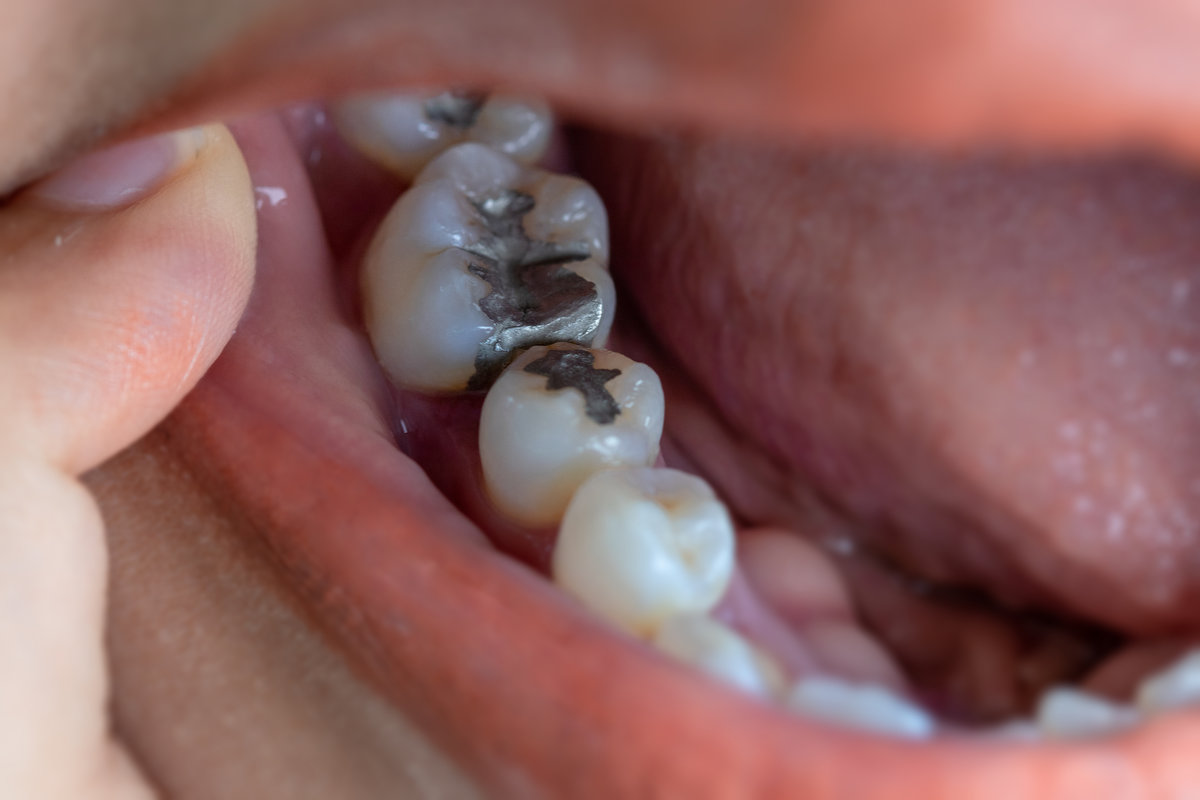
Dental fillings don’t last forever. Over time, the materials break down, wear away, or simply stop protecting your teeth the way they should. Knowing when to replace old fillings can help prevent more serious dental problems, such as tooth decay, infection, or even tooth loss. If your fillings are cracked, loose, discolored, or causing pain, it may be time to replace them.
At Winchester Dental Group in Temecula, Dr. Matthew King and Dr. Andrew Arriola provide comprehensive care to patients throughout Temecula and the surrounding areas. With Dr. King’s 8+ years of experience and Dr. Arriola’s 25+ years of service in the Temecula Valley, our team can evaluate your existing fillings and determine whether replacement is necessary to protect your oral health. We offer restorative dentistry solutions to restore damaged teeth and help you maintain a healthy smile for years to come.
Visible Damage or Cracks in the Filling
One of the most obvious signs that a filling needs replacement is visible damage. When you look at your teeth in the mirror, you might notice cracks, chips, or pieces missing from the filling material. These defects create openings that allow bacteria to enter and cause new decay beneath the filling.
Fillings can crack for several reasons. Chewing hard foods, grinding your teeth at night, or natural wear and tear over many years can compromise the integrity of the filling material. Metal fillings, which were more common decades ago, can expand and contract with temperature changes, eventually creating fractures in both the filling and the surrounding tooth structure.
If you notice any visible damage to your fillings, schedule an appointment right away. What starts as a small crack can quickly escalate into a larger problem, potentially requiring more extensive treatment, such as a root canal or crown, if left untreated.
Pain or Sensitivity Around the Filling
New or increasing sensitivity around a tooth with a filling often indicates that something has changed beneath the surface. You may experience sharp pain when you bite down, drink cold beverages, or eat sweet foods. This discomfort happens when the filling no longer seals properly, allowing temperature changes and food particles to reach the sensitive inner layers of your tooth.
When dentin loses its protective covering, microscopic tubules allow heat, cold, or acidic foods to reach the nerves inside the tooth. A failing filling exposes these tubules, causing the discomfort you feel. The pain might come and go at first, but it typically becomes more frequent and intense as the problem worsens.
Don’t ignore persistent sensitivity. Your body is signaling that the tooth needs attention. Early intervention can often save the tooth with a simple filling, while waiting too long may require more complex procedures, such as same-day crowns.
The Filling Feels Loose or Rough
Run your tongue over your teeth. Does one filling feel different from the others? A loose filling might move slightly when you press on it with your tongue or feel rough around the edges where it meets your natural tooth. These textural changes indicate that the bond between the filling and your tooth has weakened.
Fillings can become loose when decay develops underneath them or when the adhesive materials break down over time. The gap between the filling and the tooth creates a perfect environment for bacteria to accumulate, leading to new cavities. You might also notice food getting stuck more frequently around a loose filling, or you might feel the filling shift slightly when you chew.
Some patients describe a loose filling as feeling “different” without being able to pinpoint exactly what changed. Trust your instincts. If a filling doesn’t feel right, it probably isn’t. Your dentist can examine the filling and determine whether it needs replacement.
Discoloration Around the Filling
Dark stains, gray shadows, or brown spots around the edges of a filling often signal decay developing beneath the surface. While some minor staining on older metal fillings is normal, significant discoloration or darkening of the tooth itself warrants evaluation by your dentist.
The discoloration you see indicates bacteria and decay that have worked their way under the filling. According to the American Dental Association, adults over 50 are more susceptible to tooth root decay, making regular monitoring of existing fillings even more critical as you age. Metal fillings can also cause the surrounding tooth structure to appear gray or dark over time, a purely cosmetic issue that doesn’t necessarily mean the filling has failed.
Modern white fillings can also show signs of wear through discoloration. If your composite filling appears yellow, brown, or stained at the edges, bacteria may have penetrated the seal. Your dentist can determine whether the discoloration is superficial or indicates a deeper issue that may require replacement.
Your Fillings Are More Than 10-15 Years Old
Even fillings that look and feel fine have a limited lifespan. Most dental fillings last between 10 and 15 years, depending on the material used, their location in your mouth, and how well you care for your teeth. If you can’t remember the last time you had a filling placed or replaced, it’s probably time for an evaluation.
Different filling materials have different lifespans:
- Metal amalgam fillings: These traditional silver fillings can last 15 years or more with proper care, but they eventually corrode and wear down.
- Composite resin fillings: These tooth-colored fillings typically last 7-10 years and may need replacement sooner than metal fillings.
- Gold fillings: The most durable option, gold fillings can last 20+ years but are less common due to cost and appearance.
- Ceramic fillings: These aesthetic restorations can last 15+ years and resist staining better than composite materials.
Your dentist can determine the age and condition of your fillings during a routine exam and cleaning. Regular dental visits allow your dentist to monitor your fillings and recommend replacement before problems develop. Catching issues early can save you from more extensive dental work later.
Protect Your Smile at Winchester Dental Group in Temecula
Your dental fillings play an essential role in protecting your teeth from decay and maintaining your ability to chew comfortably. Replacing worn or damaged fillings before they fail can prevent more extensive and expensive dental work later. At Winchester Dental Group in Temecula, we use the latest techniques and materials to ensure your replacement fillings look natural and last for years to come.Dr. King and Dr. Arriola welcome patients from throughout Temecula, Murrieta, and the surrounding communities. We accept most major PPO insurance plans, including Delta Dental, and offer flexible financing options to make quality dental care accessible. Schedule an appointment today to have your fillings evaluated and learn about your replacement options.