
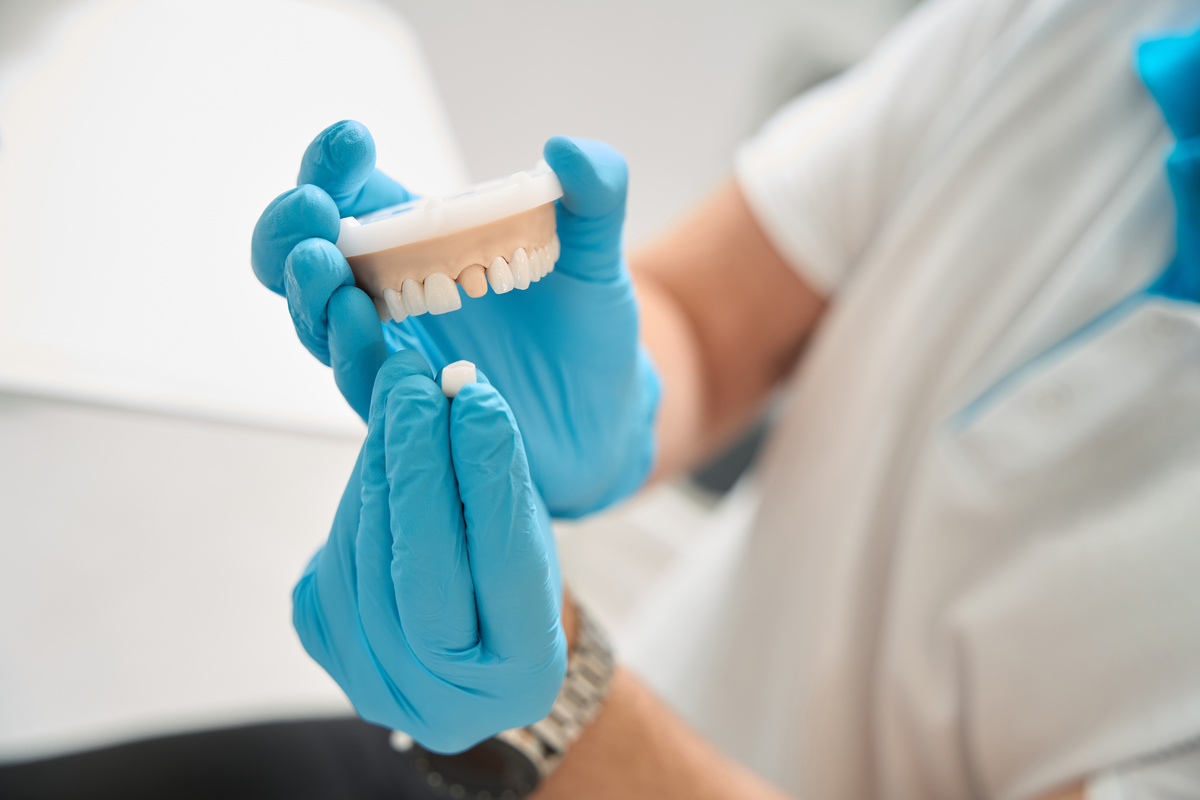
Getting a crown or bridge is a meaningful step toward restoring your smile, and same-day technology has made that process faster and more convenient than ever before. What used to take multiple appointments and weeks of waiting can now be completed in a single visit, sending you home the same day with a fully restored tooth. That kind of efficiency is a real win, but it also means the responsibility for protecting that restoration starts right away.
At Winchester Dental Group in Temecula, helping patients get the most out of their dental work is a big part of what we do. Dr. Matthew King and Dr. Andrew Arriola take the time to walk every patient through what to expect after receiving a same-day crown or bridge, because the steps you take at home are just as important as the care we provide in the chair. Understanding how to maintain your restoration properly means it will look great, function well, and serve you for many years to come.
What Same-Day Crowns and Bridges Are Made Of
Same-day restorations are typically milled from high-quality ceramic or zirconia material, designed to match the shade, shape, and size of your natural teeth. According to the Journal of the American Dental Association, tooth-colored crowns can be made from ceramic, porcelain, or composite resin materials and are crafted to restore both the function and appearance of the treated tooth.
These materials are durable and biocompatible, but they are not indestructible. Like natural enamel, they respond to the forces placed on them over time. That is why the habits you build around your restoration matter considerably, starting from the moment you leave our office.
The First Few Days After Placement
The first 24 to 48 hours after receiving a crown or bridge are an important window. The restoration is bonded securely during your appointment, but it is wise to give the area a bit of extra care while everything settles. Stick to softer foods initially, avoid chewing directly on the restoration with especially hard or crunchy items, and stay away from overly sticky foods that could put unnecessary strain on the bond.
Some mild sensitivity around the treated tooth is normal in the first few days, particularly to temperature. This typically fades on its own as the tooth adjusts. If sensitivity persists beyond a week or feels sharp rather than mild, that is worth mentioning at your next exam and cleaning or reaching out to our team directly.
Daily Habits That Protect Your Restoration
Once the initial adjustment period has passed, caring for a crown or bridge is largely about maintaining the same great habits you should already have in place for your natural teeth. Brushing twice a day and flossing daily are essential, and for bridges in particular, flossing beneath the artificial tooth using a floss threader or interdental brush helps remove plaque and food debris from areas a regular toothbrush cannot reach.
What damages restorations most over time is not neglect in the obvious sense but rather the small, repeated habits people do not think twice about: chewing on ice, biting fingernails, using teeth to open packaging, or clenching during stressful moments. Each of these behaviors puts concentrated force on the restoration in ways it was not designed to handle regularly, and over time that can lead to chips, cracks, or loosening.
Protecting Against Grinding
If you grind your teeth at night, a custom nightguard is one of the most valuable things you can add to your routine after receiving a crown or bridge. The sustained force generated by nighttime grinding is one of the most common culprits behind premature restoration wear, and a nightguard absorbs that force before it ever reaches your teeth. It is a small investment that can extend the life of your crown or bridge considerably.
Bruxism is more common than most people realize, and many patients do not know they grind until a dentist notices the telltale signs during an exam. If our team has mentioned grinding to you in the past, take that seriously, especially now that a restoration is involved.
Keeping Up with Regular Checkups
Crowns and bridges do not need special treatment beyond what every healthy mouth already benefits from, but consistent restorative dentistry follow-up is important. Regular checkups allow our team to inspect the margins of the restoration, check that the bite is still balanced, and catch any early signs of wear or issues with the surrounding tissue before they become bigger problems.
How long a crown or bridge lasts depends significantly on how well it is maintained. With good home care and regular professional attention, a well-placed restoration can serve a patient for 15 years or more.
Care for Your Crown at Winchester Dental Group in Temecula
Your restoration represents real time, effort, and investment in your smile, and it deserves to be protected. Our experienced team at Winchester Dental Group in Temecula is here to support you every step of the way, from the day of placement through every follow-up visit after. Dr. King graduated with top honors and stays current with the latest in dental technology and care, and Dr. Arriola brings over 25 years of patient-focused experience to every case. We accept most major PPO plans, including Delta Dental PPO and Aetna Dental, and offer financing options to help make comprehensive care accessible.
If you have questions about your crown or bridge, or if it is time to come in for a checkup, book your appointment today and let our team make sure your smile is in great shape.